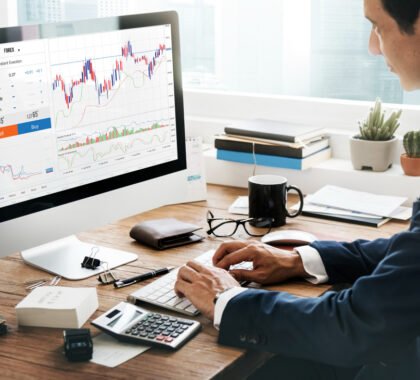
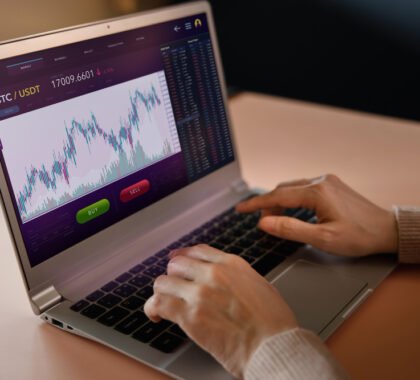
Day trading strategies are essential for anyone looking to succeed in the fast-paced world of financial markets. Unlike long-term investing, day trading focuses on buying and selling assets within the same day to capture short-term price movements. Understanding effective day trading strategies can help traders make quick decisions, manage risks, and maximize profits. At Caelum Capital Advisory, we guide traders with proven day trading strategies to help them navigate market volatility with confidence.

Key Highlights of Day Trading 

  • Focus on short-term market movements

  • Require quick decision-making skills

  • Depend on technical analysis and charts

  • Help traders capitalize on daily price fluctuations

  • Suitable for active and experienced traders

  • Supported by expert guidance from Caelum Capital Advisory

online stock trading USA

What Are Day Trading Strategies?

Day trading strategies refer to specific methods used by traders to buy and sell financial instruments within a single trading day. These day trading strategies are designed to take advantage of small price changes in highly liquid markets. By using well-planned day trading strategies, traders can identify opportunities and execute trades efficiently.


Importance of Day Trading 

The importance of day trading strategies lies in their ability to provide structure and discipline in trading. Without proper day trading strategies, traders may make impulsive decisions that lead to losses. Well-defined day trading strategies help in setting entry and exit points, managing risks, and improving consistency.


Popular Day Trading Strategies

Scalping Strategy

Scalping is one of the most common day trading strategies where traders aim to make small profits from multiple trades throughout the day. This type of day trading strategies requires speed, precision, and strong market understanding.

Momentum Trading

Momentum-based Rapid trading strategies focus on stocks that show strong upward or downward movement. Traders using such day trading strategies enter positions based on market trends and exit before the momentum fades.

Breakout Strategy

Breakout day trading strategies involve entering a trade when the price moves beyond a defined support or resistance level. These day trading strategies are effective during high volatility periods.

Reversal Strategy

Reversal day trading strategies aim to identify points where the market trend is about to change direction. These day trading strategies require careful analysis and timing.


Tools Used in Day Trading

Technical Indicators

Indicators like moving averages, RSI, and MACD are widely used in day trading strategies. These tools help traders analyze price movements and identify trading signals.

Chart Patterns

Chart patterns such as head and shoulders, triangles, and flags play a crucial role in day trading strategies. Recognizing these patterns improves decision-making.

Trading Platforms

Reliable trading platforms are essential for executing day trading strategies efficiently. At Caelum Capital Advisory, we recommend using advanced tools to support your day trading strategies.


Tips for Beginners

Start Small

Beginners should start with small investments while learning day trading strategies. This helps reduce risks and build confidence.

Focus on Learning

Understanding market behavior is key to mastering day trading strategies. Continuous learning improves trading performance.

Manage Risks

Risk management is a critical aspect of day trading strategies. Setting stop-loss limits protects traders from major losses.

Stay Disciplined

Discipline is essential when following day trading strategies. Avoid emotional decisions and stick to your plan.


Common Mistakes to Avoid

Overtrading

Executing too many trades can reduce profitability in day trading strategies. Quality trades are more important than quantity.

Ignoring Market Trends

Successful day trading strategies rely on understanding market trends. Ignoring them can lead to losses.

Lack of Planning

Entering trades without a clear plan weakens day trading strategies. Always define entry and exit points.

Emotional Trading

Fear and greed can negatively impact day trading strategies. Maintaining a calm mindset is crucial.


Role of Experts in Day Trading Strategies

Professional guidance can significantly improve the effectiveness of Daily trading methods. At Caelum Capital Advisory, we provide expert insights, tools, and support to help traders refine their day trading strategies. With the right guidance, traders can enhance their skills and achieve better results.


Why Choose Caelum Capital Advisory for Day Trading Strategies

Caelum Capital Advisory is dedicated to helping traders succeed with advanced day trading strategies. Our expert team provides personalized support, market insights, and proven techniques to optimize your trading performance. Choosing Caelum Capital Advisory ensures that your day trading strategies are backed by experience and expertise.


Conclusion

Daily trading methods offer exciting opportunities for traders to profit from short-term market movements. With proper knowledge, discipline, and expert support from Caelum Capital Advisory, traders can improve their performance and minimize risks. Whether you are a beginner or an experienced trader, mastering day trading strategies is the key to consistent success in the financial markets.

Why choose Caelum Capital Advisory for day trading strategies?

Caelum Capital Advisory offers expert support, proven techniques, and personalized guidance to help traders succeed with day trading strategies.

What Are the Key Aspects of Day Trading Strategies?

AspectDescriptionBenefit
Day Trading StrategiesMethods to trade within a single dayQuick profit opportunities
Technical AnalysisUse of charts and indicatorsBetter decision-making
Risk ManagementStop-loss and position sizingMinimizes losses
Trading DisciplineFollowing a clear planImproves consistency

Day trading strategy play a crucial role in helping traders navigate fast-moving financial markets. Whether you are exploring intraday trading strategies or looking for practical day trading tips, having a clear approach is essential. Many beginners start with day trading for beginners guides to understand the basics before moving to more advanced methods. The best day trading strategy often combine discipline, analysis, and quick execution to capture short-term opportunities. A popular approach includes the scalping trading strategy, which focuses on making small profits from frequent trades. Similarly, the momentum trading strategy helps traders take advantage of strong price movements in a particular direction. Another effective method is the breakout trading strategy, where traders enter positions when prices move beyond key levels. The reversal trading strategy, on the other hand, aims to identify turning points in the market. These methods are widely used as part of intraday trading strategies to maximize returns. For those looking to improve performance, intraday stock trading tips can provide valuable insights into market timing and execution. Using day trading indicators such as moving averages and RSI can enhance decision-making. Additionally, technical analysis for day trading plays a vital role in understanding price movements and trends. Recognizing day trading chart patterns like triangles and head-and-shoulders formations can further improve accuracy. Effective day trading risk management ensures that losses are controlled while profits are maximized. Advanced traders often explore a high frequency trading strategy to execute multiple trades within seconds. Understanding day trading psychology is equally important, as emotions like fear and greed can impact decisions. Developing strong short term trading strategies helps traders stay consistent and focused. Many traders rely on day trading signals to identify potential opportunities, while others use advanced day trading tools to analyze market data efficiently. Professional day trading strategies often combine all these elements for optimal results. Day trading strategy require continuous learning and adaptation. By refining intraday trading strategy and applying proven day trading tips, traders can improve their performance over time. Beginners can benefit from structured day trading for beginners resources, while experienced traders can explore the best day trading strategy to stay ahead in competitive markets. Techniques like the scalping trading strategy and momentum trading strategy remain popular choices among active traders. Similarly, the breakout trading strategy and reversal trading strategy continue to provide valuable opportunities. To succeed, traders must focus on intraday stock trading tips, use reliable day trading indicators, and apply technical analysis for day trading consistently. Understanding day trading chart patterns and implementing proper day trading risk management are essential for long-term success. Advanced methods such as a high frequency trading strategy require experience, while mastering day trading psychology helps maintain discipline. By combining short term trading strategies, following accurate day trading signals, and using efficient day trading tools, traders can achieve better results. Ultimately, professional day trading strategies bring together knowledge, skill, and discipline to create a successful trading journey.Day trading is a fast-paced approach to financial markets where traders buy and sell assets within the same day to capitalize on short-term price movements. It requires a combination of knowledge, discipline, and quick decision-making. Unlike long-term investing, this method focuses on immediate opportunities and rapid execution. With the right mindset and tools, traders can take advantage of daily market fluctuations and potentially generate consistent returns. Key Highlights Focuses on short-term price movements Requires strong analytical and decision-making skills Involves frequent buying and selling within a single day Depends heavily on charts and technical indicators Suitable for active traders who can monitor markets closely What Is Day Trading? Day trading involves opening and closing positions within the same trading day. The primary goal is to take advantage of small price changes in highly liquid markets. Traders rely on real-time data, charts, and indicators to make quick decisions. Since positions are not held overnight, it reduces exposure to unexpected market events that may occur after trading hours. How Day Trading Works This approach requires identifying opportunities based on price movements. Traders analyze charts, look for patterns, and use indicators to determine entry and exit points. Positions are typically held for minutes or hours, depending on the strategy used. Success depends on timing, accuracy, and the ability to react quickly to market changes. Benefits of Day Trading Quick Profit Opportunities One of the main attractions is the ability to generate profits within a short period. Traders can take advantage of daily price movements without waiting for long-term growth. No Overnight Risk Since all positions are closed before the market ends, traders avoid risks associated with overnight news or events that can impact prices. High Liquidity Markets with high trading volume allow traders to enter and exit positions بسهولة and efficiently. Learning Opportunities Frequent trading provides continuous learning experiences, helping traders improve their skills over time. Risks Involved Market Volatility Rapid price changes can lead to both profits and losses. Traders must be prepared for sudden movements. Emotional Pressure Fast decision-making can create stress, leading to impulsive actions. Maintaining discipline is crucial. Transaction Costs Frequent trades can result in higher brokerage fees, which may impact overall profitability. Time Commitment This approach requires constant monitoring of the market, making it time-intensive. Essential Tools for Traders Trading Platforms Reliable platforms provide real-time data, fast execution, and advanced charting features. Choosing the right platform is essential for success. Technical Indicators Indicators such as moving averages, RSI, and MACD help analyze price trends and identify potential opportunities. Charts and Patterns Understanding chart patterns allows traders to predict possible price movements and make informed decisions. News and Data Feeds Staying updated with financial news and economic events can help traders anticipate market movements. Popular Approaches Scalping This method involves making multiple small trades to capture minor price changes. It requires speed and precision. Momentum Trading Traders focus on assets showing strong movement in one direction and aim to profit from that trend. Breakout Trading This approach involves entering trades when prices move beyond key support or resistance levels. Reversal Trading Traders attempt to identify points where a trend is likely to change direction and act accordingly. Tips for Beginners Start with a Plan Having a clear plan helps avoid confusion and improves decision-making. Define your entry, exit, and risk limits before trading. Practice Before Investing Using demo accounts allows beginners to gain experience without risking real money. Manage Risk Carefully Never risk more than a small percentage of your capital on a single trade. Risk management is key to long-term survival. Stay Disciplined Stick to your strategy and avoid emotional decisions. Discipline is essential for consistent performance. Common Mistakes to Avoid Overtrading Making too many trades can reduce profits and increase costs. Focus on quality rather than quantity. Ignoring Risk Failing to manage risk can lead to significant losses. Always use protective measures such as stop-loss orders. Chasing Losses Trying to recover losses quickly often leads to bigger mistakes. Stay calm and stick to your plan. Lack of Preparation Entering the market without proper analysis can result in poor decisions. Preparation is crucial for success. Importance of Psychology Trading is not just about numbers; it also involves mindset. Successful traders control their emotions, remain patient, and stay focused on their goals. Developing a strong psychological approach helps in handling both profits and losses effectively. Building a Trading Routine Creating a daily routine helps improve consistency and performance. This may include analyzing the market before it opens, setting goals for the day, and reviewing trades afterward. A structured routine keeps traders organized and focused. Role of Technology Technology has transformed trading by making it more accessible and efficient. Mobile apps, automated tools, and advanced platforms allow traders to execute trades بسرعة and monitor markets in real time. These tools enhance accuracy and reduce manual effort. Risk Management Techniques Position Sizing Determining the right amount to invest in each trade helps control risk. Stop-Loss Orders Setting predefined exit points minimizes potential losses. Diversification Spreading trades across different assets reduces overall risk. Risk-Reward Ratio Evaluating potential profit against possible loss helps in making better decisions. Developing a Long-Term Perspective Although this approach focuses on short-term gains, having a long-term perspective is important. Continuous learning, improving strategies, and maintaining discipline contribute to sustained success. Traders should focus on growth rather than quick profits. Conclusion Day trading offers exciting opportunities for those willing to dedicate time and effort to learning the process. With the right tools, strategies, and mindset, traders can navigate market volatility and make informed decisions. However, it is important to understand the risks involved and approach trading with discipline and patience. By focusing on continuous improvement and maintaining a structured approach, individuals can work towards achieving consistent results in the dynamic world of financial markets.Advanced Market Analysis Techniques Price Action Analysis Price action focuses on analyzing raw price movements without relying heavily on indicators. Traders study candlestick patterns, support and resistance levels, and overall market structure to make decisions. This approach helps in understanding market sentiment and identifying high-probability setups. Volume Analysis Volume indicates the number of shares or contracts traded within a specific period. High volume often confirms strong price movements, while low volume may signal weak trends. Combining volume with price action can provide deeper insights into market behavior. Trend Identification Identifying whether the market is trending upward, downward, or moving sideways is essential. Trading in the direction of the trend increases the probability of success and reduces unnecessary risks. Timeframes in Trading Short Timeframes Traders often use 1-minute, 5-minute, or 15-minute charts for quick decisions. These timeframes provide detailed insights into price movements. Multiple Timeframe Analysis Using multiple timeframes helps traders gain a broader perspective. For example, analyzing a longer timeframe for trend direction and a shorter timeframe for entry points can improve accuracy. Capital Management Protecting Your Capital Preserving capital is more important than making profits. Avoid risking large portions of your funds on a single trade. Consistent Position Sizing Maintaining consistent trade sizes helps manage risk and ensures stability in performance. Avoiding Over-Leverage Using excessive leverage can amplify losses. It is important to use leverage cautiously and responsibly. Developing Discipline and Consistency Following a Trading Plan A well-defined plan outlines entry and exit rules, risk limits, and goals. Sticking to this plan reduces emotional decision-making. Keeping a Trading Journal Recording each trade helps identify strengths and weaknesses. Reviewing past trades allows for continuous improvement. Setting Realistic Expectations Unrealistic expectations can lead to frustration and poor decisions. Focus on gradual progress and consistent growth. Understanding Market Sessions Global Market Hours Financial markets operate across different time zones. Major sessions include Asian, European, and North American markets. Each session has unique characteristics and volatility levels. Best Time to Trade Certain periods offer higher liquidity and volatility, making them ideal for active trading. Understanding these timeframes can improve trading performance. Importance of Backtesting Backtesting involves testing a strategy using historical data to evaluate its effectiveness. This process helps traders refine their approach and identify potential weaknesses before applying it in real markets. Adapting to Market Conditions Markets are constantly changing due to economic events, news, and investor sentiment. Traders must be flexible and adapt their strategies accordingly. What works in one market condition may not be effective in another. Risk vs Reward Approach Successful trading is not about winning every trade but about maintaining a favorable risk-to-reward ratio. Even with a lower win rate, traders can remain profitable if their gains outweigh their losses. The Role of Patience Patience is a key factor in achieving success. Waiting for the right opportunities rather than forcing trades improves overall performance. Rushed decisions often lead to mistakes and losses. Continuous Skill Development Learning from Mistakes Every loss provides an opportunity to learn. Analyzing mistakes helps traders avoid repeating them. Staying Updated Keeping up with market news, economic indicators, and financial trends is essential for making informed decisions. Practicing Regularly Consistent practice improves skills and builds confidence over time. Balancing Risk and Opportunity Finding the right balance between risk and opportunity is crucial. Taking calculated risks while avoiding unnecessary exposure helps maintain steady growth. Traders should focus on preserving capital while seeking profitable opportunities. Final Thoughts Short-term trading can be both rewarding and challenging. It requires a combination of technical knowledge, discipline, and emotional control. By mastering advanced analysis techniques, managing capital effectively, and maintaining consistency, traders can improve their chances of success. The journey involves continuous learning, adapting to market changes, and refining strategies over time. With dedication and a structured approach, individuals can navigate the complexities of the market and work towards achieving their financial goals.Successful trading in fast-moving markets requires a combination of knowledge, discipline, and consistent practice. Traders must develop a clear plan that includes entry and exit rules, risk limits, and realistic profit expectations. Without a structured approach, it becomes easy to make impulsive decisions that can lead to unnecessary losses. Understanding market behavior is essential for making informed decisions. This includes analyzing price movements, recognizing patterns, and staying updated with relevant financial news. At the same time, managing risk is just as important as identifying opportunities. Protecting capital should always be a priority, as it allows traders to stay in the market for the long term. Emotional control plays a significant role in achieving consistent results. Fear and greed can often lead to poor judgment, so maintaining a calm and disciplined mindset is crucial. Traders who focus on learning from their mistakes and continuously improving their strategies are more likely to succeed. With patience, proper planning, and ongoing education, individuals can build the skills needed to navigate market fluctuations and work toward achieving steady and sustainable results over time.