Introduction

In today’s interconnected financial ecosystem, investors and traders are no longer limited to domestic opportunities. Globalization has opened access to equities, commodities, indices, and currencies across regions and time zones. To navigate this complexity successfully, traders rely on trading strategies for global markets that provide structure, discipline, and risk control.

At Caelum Capital Advisory, we focus on educating traders about trading strategies for global markets that adapt to changing economic cycles, geopolitical events, and evolving investor behavior. A well-defined approach helps traders identify opportunities while protecting capital in uncertain conditions.

  1.  

Trading Strategies for Global Markets – Core Concept

  • Designed for international financial instruments

  • Focused on risk management and consistency

  • Suitable for short-term and long-term traders

  • Backed by macroeconomic and technical analysis

Key Benefits

  • Structured trading strategies for global markets reduce emotional decisions

  • Data-driven trading strategies for global markets improve consistency

  • Adaptive trading strategies for global markets align with global trends

The purpose of trading strategies for global markets is to help traders analyze multiple economies, currencies, and asset classes using a systematic framework. These strategies allow market participants to respond logically rather than emotionally, even during volatile global conditions.
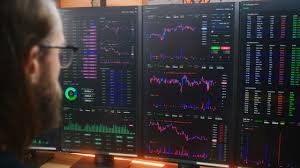
Understanding Global Market Dynamics

Global markets operate across multiple time zones and are influenced by interest rates, inflation, political stability, and economic growth. Successful traders use trading strategies for global markets to interpret how these factors interact and affect price movement.

Different regions respond differently to economic data. For example, U.S. employment numbers can impact Asian and European markets overnight. By using structured trading strategies for global markets, traders can anticipate ripple effects across regions.

At Caelum Capital Advisory, we emphasize understanding correlations between asset classes. Commodities, forex, and indices often move together, and applying trading strategies for global markets helps traders identify these relationships.


Types of Trading Strategies Used in Global Markets

Trend-Following Strategies

Trend-based approaches focus on identifying sustained market direction. Traders rely on trading strategies for global markets that confirm trends using moving averages, momentum indicators, and volume analysis.

Range-Bound Strategies

When markets move sideways, traders apply trading strategies for global markets designed for consolidation phases. These strategies focus on buying support and selling resistance levels.

Breakout Strategies

Breakout-focused trading strategies for global markets aim to capture strong price movements when markets exit consolidation zones. These are common during major economic announcements.

Macro-Driven Strategies

Macro-based trading strategies for global markets use economic indicators such as GDP, inflation, and interest rates to guide long-term positioning across regions.


Risk Management in Global Trading

Risk management is the backbone of trading strategies for global markets. Without proper controls, even profitable setups can lead to losses.

Key risk management principles include:

  • Position sizing based on account balance

  • Stop-loss placement aligned with volatility

  • Diversification across regions and assets

Professional traders using trading strategies for global markets focus more on risk-to-reward ratios than win rates. This approach ensures sustainability over time.

At Caelum Capital Advisory, we stress that disciplined risk management transforms trading strategies for global markets into long-term wealth-building tools rather than short-term speculation methods.


Role of Technology and Analysis

Technology plays a vital role in modern trading strategies for global markets. Advanced charting tools, economic calendars, and automated alerts allow traders to monitor multiple markets simultaneously.

Technical analysis helps traders time entries and exits, while fundamental analysis strengthens trading strategies for global markets by providing macro context. Combining both methods creates a balanced trading framework.

Algorithmic systems are increasingly used to execute trading strategies for global markets with precision and speed, reducing human bias and execution delays.


Institutional vs Retail Trading Approaches

Institutional traders rely on deeply researched trading strategies for global markets supported by data analytics, risk models, and economic forecasting.

Retail traders can also benefit from simplified trading strategies for global markets by focusing on liquid instruments and avoiding over-leveraging.

Caelum Capital Advisory bridges this gap by translating institutional-level trading strategies for global markets into practical frameworks accessible to individual traders.


Long-Term vs Short-Term Global Trading

Short-term traders use trading strategies for global markets that capitalize on volatility, news releases, and intraday price movements.

Long-term investors rely on trading strategies for global markets that focus on macroeconomic cycles, sector rotation, and global growth trends.

Both approaches require discipline, but long-term trading strategies for global markets often benefit from reduced transaction costs and emotional stability.


Common Mistakes to Avoid

Even well-designed trading strategies for global markets can fail if traders make avoidable mistakes:

  • Overtrading multiple markets simultaneously

  • Ignoring economic calendars

  • Failing to adjust strategies to volatility

Successful traders constantly review and refine trading strategies for global markets to stay aligned with changing conditions.


Why Choose Caelum Capital Advisory

Caelum Capital Advisory specializes in developing and guiding traders through professional trading strategies for global markets tailored to diverse experience levels.

Our approach focuses on:

  • Education-driven trading frameworks

  • Risk-managed execution models

  • Continuous strategy optimization

By learning structured trading strategies for global markets, traders gain clarity, confidence, and consistency in their global trading journey.


Conclusion

Global markets offer vast opportunities, but they also demand discipline, planning, and adaptability. Applying well-researched trading strategies for global markets allows traders to navigate complexity with confidence.

At Caelum Capital Advisory, we believe that consistent success comes from mastering trading strategies for global markets rooted in analysis, risk control, and continuous learning. Whether you are a beginner or an experienced trader, a structured approach is the key to sustainable global trading performance.

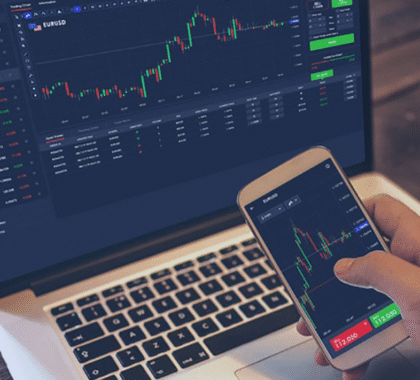
 

What are trading strategies for global markets according to Caelum Capital Advisory?

Caelum Capital Advisory defines trading strategies for global markets as structured methods that help traders analyze, enter, and manage trades across international financial markets while maintaining risk control and consistency.

Global markets are deeply interconnected. Movements in one asset class or region often influence others. For example, changes in interest rates can affect currencies, equities, and commodities simultaneously. Understanding correlation helps traders avoid excessive exposure to similar risks. Holding multiple positions that react the same way to market events can amplify losses during unfavorable conditions. By recognizing these relationships, traders can balance exposure and improve portfolio stability. Caelum Capital Advisory highlights correlation analysis as an essential component of responsible global market participation. Capital Allocation and Position Planning Effective capital allocation plays a critical role in long-term trading success. Rather than concentrating resources into a single position or market, professional traders distribute capital based on risk tolerance and opportunity quality. Position planning includes deciding how much capital to allocate, where to place exit points, and how to manage trades if market conditions change. This structured approach reduces emotional decision-making and protects against unexpected market movements. Caelum Capital Advisory emphasizes that capital preservation should always take priority over aggressive growth objectives. The Role of Economic Calendars Economic calendars are essential tools for global traders. Major announcements such as interest rate decisions, employment data, and inflation reports can trigger sharp price movements across multiple markets. Being aware of scheduled events allows traders to prepare for increased volatility. Some may choose to reduce exposure, while others may focus on short-term opportunities created by market reactions. Caelum Capital Advisory advises traders to integrate economic event awareness into their daily and weekly planning routines. Developing a Personal Trading Framework Every trader has unique goals, risk tolerance, and time availability. A personalized trading framework aligns market participation with these individual factors. Key elements of a personal framework include: Defined objectives and expectations Clear entry and exit rules Risk limits and capital allocation guidelines Performance review and improvement process Caelum Capital Advisory encourages traders to treat their trading activity as a structured process rather than a series of isolated decisions. Continuous Performance Evaluation Reviewing past performance is essential for growth. Traders who analyze their results gain insight into strengths, weaknesses, and behavioral patterns. Performance evaluation involves: Reviewing winning and losing trades Identifying recurring mistakes Measuring adherence to predefined rules Rather than focusing solely on profits or losses, Caelum Capital Advisory promotes evaluating consistency and discipline as key performance indicators. Avoiding Overexposure to Information While access to information is valuable, excessive data consumption can lead to confusion and analysis paralysis. Not every news headline or market opinion requires action. Successful traders filter information and focus on data that aligns with their chosen framework. This selective approach improves clarity and decision-making quality. Caelum Capital Advisory recommends building a reliable information routine that prioritizes relevance over volume. Emotional Discipline and Decision-Making Emotions can significantly impact trading outcomes. Fear may cause premature exits, while greed can lead to overexposure. Developing emotional awareness helps traders recognize these tendencies before they influence decisions. Techniques such as predefined rules, journaling, and scheduled breaks can support emotional discipline. Over time, traders learn to respond calmly rather than react impulsively. Caelum Capital Advisory stresses that emotional control is a skill developed through experience and self-awareness. The Value of Patience in Trading Patience is often underestimated in financial markets. Not every day presents an opportunity, and waiting for favorable conditions is a sign of discipline rather than inactivity. Traders who exercise patience avoid forced trades and maintain focus on quality setups. This approach reduces unnecessary losses and improves long-term performance. Caelum Capital Advisory views patience as a core trait of sustainable trading success. Leveraging Education for Long-Term Growth Markets evolve, and continuous education helps traders stay relevant. Learning about new instruments, regulatory changes, and analytical tools enhances adaptability. Education also builds confidence, enabling traders to trust their decisions during uncertain periods. Structured learning reduces reliance on guesswork and external opinions. Caelum Capital Advisory prioritizes education as a long-term investment rather than a one-time activity. Building Confidence Through Process Confidence in trading is built through preparation, practice, and consistency. When traders follow a well-defined process, outcomes become more predictable over time. Even during periods of drawdown, adherence to a structured framework provides reassurance and clarity. Confidence rooted in process is more resilient than confidence based solely on short-term results. Caelum Capital Advisory supports traders in developing confidence through disciplined execution and ongoing improvement. Final Thoughts Global financial markets offer vast potential, but they demand responsibility, preparation, and discipline. Sustainable participation is built on structured planning, risk awareness, and continuous learning rather than speculation or impulse. Caelum Capital Advisory remains committed to guiding traders toward informed decision-making and long-term consistency. By focusing on process, education, and emotional discipline, traders can navigate international markets with greater clarity and confidence.Global Trading Approaches Explained by Caelum Capital Advisory Introduction Financial markets have evolved into a highly interconnected ecosystem where opportunities exist far beyond national borders. Investors today can participate in equities, currencies, commodities, indices, and derivatives across multiple regions and time zones. While access has become easier, success in international trading requires structured planning, disciplined execution, and a clear understanding of how global factors influence price movements. Caelum Capital Advisory focuses on helping traders and investors understand how international markets function and how to approach them systematically. Rather than relying on speculation or emotional decision-making, successful market participants adopt organized frameworks that allow them to respond to volatility, economic shifts, and geopolitical developments with confidence. This guide explores how global market participation works, the principles behind professional trading approaches, and the importance of risk control when dealing with international financial instruments. Description: Global Market Trading Approaches Global Market Trading Approaches – Overview Designed for participation across international financial markets Applicable to equities, forex, commodities, and indices Focused on consistency, discipline, and risk awareness Suitable for both short-term traders and long-term investors Key Highlights Structured decision-making models for international markets Emphasis on capital protection and sustainability Alignment with global economic and financial trends Description Paragraph Global market trading approaches provide traders with a systematic way to analyze price movements, assess economic conditions, and manage risk across multiple regions. Instead of reacting impulsively to market noise, traders follow predefined rules that help them stay focused, disciplined, and aligned with long-term objectives. Understanding the Nature of Global Financial Markets International markets are influenced by a wide range of factors, including interest rates, inflation, employment data, political stability, and central bank policies. Events in one country often have immediate effects on markets in other regions, making global awareness essential. For example, monetary policy decisions in the United States can impact currency valuations, equity indices, and commodity prices worldwide. Similarly, economic data from Europe or Asia can influence investor sentiment across global exchanges. Understanding these relationships allows traders to anticipate potential market reactions. Caelum Capital Advisory emphasizes the importance of macroeconomic awareness when engaging in international trading. By understanding how global economies interact, traders can make more informed decisions and avoid unnecessary exposure to unpredictable risks. Core Principles of Professional Trading Discipline and Consistency Discipline is the foundation of professional trading. Traders who succeed over time follow predefined rules rather than emotional impulses. Consistency in execution allows results to be measured and improved. Risk Awareness Every trade carries risk, especially in international markets where volatility can increase due to news events and currency fluctuations. Professional traders focus on limiting downside exposure before seeking potential returns. Objective Analysis Successful traders rely on data, charts, and economic indicators rather than opinions or rumors. Objective analysis provides clarity and helps traders avoid emotional bias. At Caelum Capital Advisory, these principles form the backbone of all educational frameworks and guidance provided to traders. Types of Global Market Trading Approaches Trend-Based Approaches Trend-focused models aim to identify sustained directional movement in prices. Traders look for confirmation through technical indicators, price structure, and volume patterns. These approaches are commonly applied to indices, equities, and currencies. Range-Based Approaches When markets move sideways, traders focus on identifying support and resistance zones. Buying near lower boundaries and selling near upper boundaries allows traders to benefit from predictable price oscillations. Breakout-Based Approaches Breakout models target moments when price moves beyond established ranges. These situations often occur during major economic announcements or shifts in market sentiment and can lead to strong directional moves. Macro-Oriented Approaches Macro-focused models rely on economic data, interest rate trends, and policy decisions. These are typically used for longer-term positioning and portfolio allocation. The Role of Risk Management Risk management is the most critical aspect of international trading. Without proper controls, even the most accurate analysis can result in significant losses. Key risk management practices include: Limiting position size relative to account equity Using predefined exit points to control losses Diversifying exposure across assets and regions Caelum Capital Advisory strongly emphasizes that protecting capital is more important than maximizing short-term gains. Long-term success is built on survival and consistency rather than aggressive speculation. Importance of Market Analysis Technical Analysis Technical analysis focuses on price patterns, trends, and indicators. It helps traders determine optimal entry and exit points while identifying potential areas of support and resistance. Fundamental Analysis Fundamental analysis examines economic data, corporate performance, and policy decisions. This form of analysis is particularly useful for understanding long-term market direction. Sentiment Analysis Market sentiment reflects how participants feel about current conditions. Monitoring positioning, news tone, and investor behavior helps traders gauge potential reversals or trend continuation. Combining these analytical methods creates a balanced and informed trading approach. Technology and Tools in Global Trading Modern trading relies heavily on technology. Advanced platforms allow traders to monitor multiple markets, access real-time data, and execute trades efficiently. Common tools include: Charting platforms with technical indicators Economic calendars for tracking global events Automated alerts for price movements Some traders also use algorithmic systems to execute predefined rules automatically, reducing emotional involvement and execution delays. Caelum Capital Advisory encourages traders to use technology as a support system rather than a replacement for understanding market behavior. Institutional vs Individual Trading Perspectives Institutional participants such as banks, hedge funds, and asset managers operate with large capital, advanced analytics, and dedicated research teams. Their decisions can significantly influence market movement. Individual traders, while operating with smaller capital, can still succeed by focusing on liquid instruments, disciplined execution, and realistic expectations. Flexibility and faster decision-making can be advantages when managed correctly. Caelum Capital Advisory bridges the gap by translating professional concepts into practical frameworks suitable for individual traders. Short-Term vs Long-Term Participation Short-Term Trading Short-term traders focus on intraday or short-duration price movements. This approach requires constant monitoring, quick decision-making, and strict risk controls. Long-Term Investing Long-term participants focus on economic cycles, growth trends, and valuation. This approach typically involves fewer trades and a longer holding period. Both styles can be effective when aligned with personal goals, risk tolerance, and time availability. Common Challenges in International Trading Traders often face challenges such as: Overexposure to correlated markets Ignoring economic event risk Overtrading due to excessive market access Awareness of these challenges helps traders develop habits that support long-term performance rather than short-term excitement. Caelum Capital Advisory encourages regular review and refinement of trading plans to address these common pitfalls. Why Education Matters in Global Trading Markets constantly evolve due to technological innovation, regulatory changes, and shifting economic conditions. Continuous learning is essential to remain adaptable and informed. Education helps traders: Understand market behavior Improve analytical skills Build confidence in decision-making Caelum Capital Advisory prioritizes education-driven trading, believing that informed traders are better equipped to handle uncertainty and volatility. Role of Psychology in Trading Psychology plays a significant role in trading outcomes. Fear, greed, and impatience often lead to poor decisions. Developing emotional discipline allows traders to: Follow predefined plans Accept losses without frustration Maintain confidence during drawdowns Mental resilience is often the difference between short-lived success and long-term sustainability. Building a Sustainable Trading Journey Sustainability in trading comes from realistic expectations, structured planning, and consistent execution. Traders who focus on gradual improvement rather than quick profits are more likely to achieve lasting success. Caelum Capital Advisory emphasizes a long-term mindset where progress is measured by discipline, learning, and risk control rather than isolated outcomes. Conclusion International financial markets offer diverse opportunities, but they also require preparation, awareness, and discipline. Success is not driven by prediction alone, but by structured frameworks that guide decision-making across different conditions. Caelum Capital Advisory supports traders by providing education, insights, and professional perspectives that help them navigate global markets with clarity and confidence. Whether participating short term or investing for the long run, a systematic and informed approach remains the cornerstone of sustainable performance.