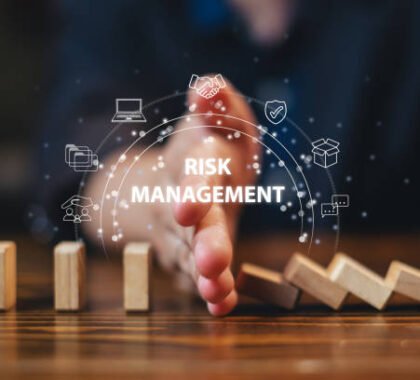
Understanding Investment Risk Management Services

Investment risk management services play a critical role for businesses, institutions, high-net-worth individuals, and international investors who aim to safeguard their capital while achieving sustainable growth. Caelum Capital Advisory delivers integrated solutions that help clients assess risk levels, analyze exposure, and implement strategies designed to preserve financial stability across varying market conditions. In today’s unpredictable financial landscape, portfolios are constantly exposed to uncertainty, and without structured risk planning, investors may experience significant setbacks. Through investment risk management services, clients gain expert guidance to identify potential vulnerabilities early and reduce the impact of losses before they affect long-term performance.

  1. Tools and Techniques Used in Risk Management

    Caelum Capital Advisory uses global-standard methodologies to protect client investments:

    • Stress testing

    • Scenario modeling

    • Volatility analysis

    • Asset correlation studies

    • Liquidity evaluation

    • Quantitative forecasting

    • Exposure measurement

    • Compliance audits

    These tools allow for deeper insights and more precise investment risk evaluation services.


investment risk management services

Why Risk Management Matters in Modern Investment Planning

Today’s financial environment is influenced by geopolitical tensions, rapid market movements, evolving regulations, and recurring economic cycles. Whether managing corporate funds, personal wealth, or diversified investment portfolios, recognizing and managing risk is as vital as identifying growth opportunities. Investment risk management services bridge the gap between financial objectives and real-world market conditions. Caelum Capital Advisory provides each client with a tailored framework that evaluates risk across multiple dimensions, including market volatility, credit exposure, operational factors, regulatory compliance, and liquidity constraints.

Relying solely on forecasts or short-term market trends can expose investors to significant setbacks during unforeseen events. With structured portfolio risk evaluation and professional financial risk analysis, uncertainty becomes quantifiable and manageable. Caelum Capital Advisory leverages advanced analytical tools, in-depth research, and global industry standards to offer informed guidance, enabling clients to make confident, well-balanced investment decisions.


Core Components of an Effective Risk Management Strategy

Caelum Capital Advisory focuses on building a complete risk framework that covers all major investment threats:

1. Financial and Portfolio Risk Assessment

Using financial risk assessment services, clients understand the risk–return profile of every investment. Portfolio risk monitoring services allow consistent tracking of volatility, exposures, and changes in market behavior.

2. Market and Credit Risk Evaluation

Market risk assessment services measure how price movements, global events, or sector performance could affect returns. At the same time, credit risk evaluation services help determine the reliability of borrowers, issuers, or counterparties.

3. Operational and Compliance Risk Control

Operational risk management for investments ensures internal processes are efficient and error-free. Investment compliance and control provides protection against regulatory penalties and reputational damage.

4. Strategic and Long-Term Risk Planning

Strategic investment risk planning helps organizations prepare for long-term growth. Caelum Capital Advisory merges investment governance solutions and capital risk management services to build durable, future-ready financial structures.


How Caelum Capital Advisory Delivers Professional Risk Solutions

As one of the leading professional investment risk firms, Caelum Capital Advisory combines quantitative models, expert advisory, and real-time research to build reliable solutions. Investment advisory and risk solutions extend beyond basic analysis by offering actionable recommendations tailored to a client’s objectives.

Every strategy begins with thorough investment due diligence services. This ensures that each asset, fund, or opportunity is evaluated for risk exposure, legal factors, liquidity, and historical performance. After evaluation, capital risk management services and corporate investment risk solutions come together to build a resilient portfolio.

Clients also benefit from portfolio diversification strategies, which reduce overexposure to any single asset class or sector. By merging diversification with investment risk evaluation services, portfolios become more stable and adaptable.


Corporate and Institutional Risk Management

Modern institutions need enterprise risk management services to protect capital, support growth, and ensure compliance. Caelum Capital Advisory provides institutional clients with fund governance structures, exposure reports, allocation audits, and scenario testing. Corporate investment risk solutions help organizations optimize capital allocation and prevent financial loss during market disruptions.

Risk management consulting allows leadership teams to make informed decisions using real data, industry insights, and predictive modeling. Institutions benefit from long-term efficiency, stability, and consistent performance.


High-Net-Worth and Private Investor Risk Solutions

Private investors face risks related to volatility, changing interest rates, geopolitical shifts, and changing investment products. Professional investment risk firms like Caelum Capital Advisory help individual clients develop personalized strategies based on goals, risk tolerance, and financial timelines.

Investment governance solutions ensure complete transparency and reporting. With investment portfolio risk analysis and portfolio risk monitoring services, investors maintain control while benefiting from expert oversight.

Building a Future-Proof Investment Strategy

A strong risk management framework ensures that portfolios not only survive market volatility but also grow through disciplined strategy. Through strategic investment risk planning and risk mitigation strategies, Caelum Capital Advisory helps clients create sustainable investment pathways.

Market shifts, inflation cycles, new financial policies, and digital transformation require investors to adapt quickly. Investment risk management services act as a protective foundation that supports long-term stability.


Conclusion

Investment risk management services are a necessity for anyone aiming to build sustainable, profitable portfolios. Caelum Capital Advisory provides comprehensive solutions designed for corporations, institutions, and private investors. With a combination of financial expertise, research-driven insights, and advanced monitoring tools, clients can manage risks effectively, improve portfolio performance, and achieve long-term financial security. By using diversification, governance frameworks, monitoring systems, and strategic planning, Caelum Capital Advisory ensures that every investment decision is secure, informed, and future-ready.


What are investment risk management services offered by Caelum Capital Advisory?

Caelum Capital Advisory provides comprehensive investment risk management services that include portfolio assessment, market risk analysis, credit evaluation, compliance monitoring, and strategic risk mitigation designed to protect and optimize your investments.

As financial systems become more interconnected, understanding the broader economic environment has become an essential part of effective decision-making. No longer can investors rely solely on traditional indicators or narrow assessments of performance. Instead, they must embrace a wider viewpoint that incorporates global influences, technological advancements, demographic changes, and evolving market behaviors. This expanded awareness provides a more comprehensive foundation for long-term planning and strengthens the ability to navigate uncertainty. One of the most important aspects of this modern approach is recognizing the value of adaptability. Financial conditions rarely remain static for long, and strategies that succeed in one climate may become less effective in another. Adaptability ensures that investors remain aligned with changing economic realities rather than being caught off guard. This may involve updating asset allocations, incorporating new analytical tools, or reshaping long-term objectives based on emerging opportunities. Adaptability is closely tied to resilience—another essential quality in financial planning. Resilience involves preparing for unexpected challenges and building a structure capable of withstanding stress. While no strategy can eliminate uncertainty entirely, a resilient approach reduces vulnerability during market downturns. It allows investors to maintain stability even when conditions become unpredictable. In many cases, resilience also supports faster recovery, because well-prepared investors can position themselves advantageously once stability returns. Another powerful component of modern financial planning is the integration of advanced technologies. Data analytics, artificial intelligence, and predictive modeling have transformed the way investors interpret information. These tools reveal patterns that might otherwise remain hidden and offer more accurate projections. They also streamline the monitoring process, enabling more timely adjustments when conditions shift. Instead of reacting to changes after they occur, investors can make decisions based on early indicators and forward-looking insights. Despite the importance of technology, human perspective remains irreplaceable. Skilled financial professionals bring judgment, experience, and emotional intelligence to the decision-making process. They understand nuances that models cannot capture and recognize that each investor’s journey is unique. The combination of advanced tools and human insight creates a powerful balance that enhances the quality and reliability of investment decisions. Emotional management is equally essential. Financial markets are influenced not only by data but also by perception and sentiment. Investors often face situations that trigger fear, uncertainty, or overconfidence. These emotions can lead to rushed decisions that undermine long-term goals. A structured approach helps counter these tendencies by promoting discipline and reinforcing clarity. Instead of responding impulsively, investors rely on reasoned strategies that reflect their true objectives. Long-term vision is another cornerstone of effective planning. While short-term fluctuations can create anxiety, they hold much less significance when viewed in the context of decades. A long-term mindset encourages patience and prevents unnecessary changes based on temporary shifts. It reminds investors that financial success often comes from consistency, thoughtful choices, and steady progress rather than sudden leaps. Education continues to play a vital role in supporting this long-term perspective. When investors understand how markets function, what influences performance, and why certain decisions are made, their confidence increases. They become active participants in the process rather than passive observers. Education also helps them recognize opportunities and avoid common pitfalls that may arise from misinformation or emotional reactions. Another essential aspect is the role of planning for major life transitions. Whether preparing for retirement, purchasing property, supporting future generations, or funding long-term goals, financial stability requires careful preparation. A thoughtful approach ensures that resources are available when needed and that long-term ambitions remain within reach despite market fluctuations. Holistic planning further contributes to stability. Rather than treating each financial element separately, holistic planning examines all components of an investor’s life—income, obligations, aspirations, risk tolerance, and future priorities. This unified perspective provides better clarity and ensures that decisions support the overall picture rather than focusing on isolated objectives. Sustainable practices have also become more prominent in modern planning. Many investors now consider environmental trends, social responsibility, and ethical governance when shaping their strategies. These factors not only reflect personal values but also influence long-term performance. Companies that demonstrate responsibility and resilience often show stronger stability over time. Ultimately, the goal of structured financial planning is empowerment. It equips individuals and organizations with the tools, knowledge, and confidence to pursue their goals effectively. It replaces uncertainty with clarity, strengthens decision-making, and brings peace of mind during unpredictable times. By embracing analysis, discipline, communication, education, and long-term vision, investors create a foundation that supports growth, stability, and resilience. Financial planning is not a one-time task but a continual process of evaluation, adjustment, and improvement. As markets evolve, so do the strategies that support them. Staying informed, staying prepared, and staying adaptable allow investors to approach the future with confidence. With the right structure in place, financial journeys become more predictable, more meaningful, and more aligned with long-term aspirations.Managing financial uncertainty has become one of the most essential components of modern investment strategy. In a world where markets evolve faster than ever, economic cycles shift unpredictably, and global events influence capital flows within minutes, individuals and organizations are increasingly seeking structured ways to protect their assets. Effective oversight of financial exposure is not just about safeguarding wealth; it is about cultivating confidence, building resilience, and ensuring that long-term goals remain intact despite changing conditions. The landscape of financial decision-making has expanded dramatically over the last decade. What once involved simple allocation choices now requires a deeper understanding of economic patterns, regulatory frameworks, emerging market behavior, and potential disruptions. As a result, investors are recognizing the importance of integrating protective mechanisms into their overall plan. This shift is not driven by fear but by a desire to make smarter choices and reduce vulnerability to unexpected shifts. A well-structured approach to risk is built on a foundation of awareness. Before any plan can be created, investors need clarity about their objectives, timelines, and tolerance levels. Without these factors, it becomes difficult to design a framework that aligns with future expectations. Awareness also involves recognizing the various forms of exposure that exist. Market volatility, liquidity challenges, credit-related issues, operational disruptions, and regulatory changes are only a few examples of the situations that may influence financial outcomes. Building a disciplined process begins with thorough examination. Evaluating possible threats is not about predicting the future; rather, it is about understanding the likelihood of various scenarios and preparing for them in advance. Analysts utilize a combination of historical patterns, economic indicators, trend analysis, and forward-looking models to gain a complete picture of the environment. This detailed approach enables decision-makers to spot weaknesses that might otherwise go unnoticed. Once vulnerabilities are identified, the next step involves crafting a defensive structure tailored to the investor’s needs. This process typically requires collaboration, as every individual or institution has a different set of priorities. Some aim to preserve capital over the short term, while others focus on maximizing returns across decades. The key lies in developing a balanced model that addresses both growth and protection simultaneously. One of the most important principles in modern financial strategy is diversification. While often seen as a simple practice, diversification is actually a highly strategic method rooted in mathematics and behavioral finance. By spreading exposure across various types of assets, geographical regions, and economic sectors, investors reduce the impact of any single event on the overall portfolio. However, diversification is not a one-time activity; it requires continuous evaluation. Shifts in economic conditions, interest rate environments, and market sentiment can alter the performance of asset classes, making regular adjustments necessary. Another crucial component is ongoing surveillance. Monitoring financial performance is essential for maintaining stability and identifying issues early. Markets change rapidly, and what appears stable today may carry different implications tomorrow. Continuous review allows investors to respond proactively rather than reactively. This could involve adjusting allocations, reducing certain exposures, strengthening defensive positions, or seizing opportunities that arise from favorable conditions. Technology has transformed the field of oversight. Advanced analytical tools, automation systems, and predictive software models have enhanced the ability of professionals to interpret data quickly and accurately. Investors now benefit from faster decision-making processes and clearer insights into both short-term patterns and long-term projections. Technology also reduces the margin for human error, contributing to more reliable outcomes. Communication plays a major role in this journey as well. Investors need access to transparent information, clear reporting, and timely updates. Collaboration between financial professionals and clients ensures that strategies remain aligned with goals and expectations. Open dialogue fosters trust and allows adjustments to be made quickly whenever circumstances change. One of the greatest strengths of structured risk oversight is its ability to adapt. Unlike rigid methodologies, a flexible approach adjusts to new data, global events, and evolving priorities. This adaptability allows investors to navigate market turbulence with greater confidence. Instead of viewing change as a threat, they begin to see it as an opportunity to refine their strategy. Emotional discipline is another key element. Markets can be influenced by widespread fear or overly optimistic sentiment, causing individuals to make impulsive decisions. A structured, objective approach counters this tendency by grounding decisions in analysis rather than emotion. It helps prevent panic during downturns and excessive enthusiasm during periods of rapid growth. Following a clearly defined process promotes consistency and ensures that every choice is made with long-term goals in mind. Education is vital for strengthening financial resilience. When investors understand the reasoning behind strategic decisions, they become more confident and engaged in the process. This sense of involvement empowers them to participate actively in their financial journey. Education also reduces uncertainty and equips individuals with the knowledge needed to navigate complex environments. Another valuable aspect of structured protection is scenario planning. By evaluating different possibilities—such as economic downturns, political events, interest rate changes, or shifts in consumer behavior—investors can prepare a series of strategies for each situation. Scenario planning does not attempt to forecast exact outcomes; instead, it increases flexibility by ensuring that multiple options exist for any given circumstance. With a range of responses ready, investors are more resilient when unexpected situations arise. Long-term sustainability forms the foundation of a well-balanced strategy. The goal is not solely to avoid loss but to maintain the stability required for future success. Sustainable planning emphasizes patience, steady growth, and thoughtful decision-making. It also highlights the importance of periodic review, as goals and circumstances often evolve over time. Adjustments may be necessary to reflect changes in income, priorities, timelines, or market opportunities. Collaboration with experienced professionals brings significant advantages. Skilled advisors possess a deep understanding of global markets, economic indicators, and financial modeling. They use their expertise to interpret complex data and translate it into practical strategies. Their ability to anticipate challenges and identify opportunities enhances the investor’s overall position. More importantly, they provide guidance that helps individuals avoid mistakes and stay committed to their long-term goals. Transparency is essential for building trust in this relationship. Investors should always have access to detailed reports, performance updates, and clear explanations of strategy adjustments. When communication is honest and consistent, it strengthens confidence in the process and ensures that both the investor and the advisor remain aligned. Ethics and responsible decision-making also play a significant role in financial management. A trustworthy professional prioritizes the well-being of the investor above all else. This includes acting with integrity, offering unbiased recommendations, and maintaining confidentiality. Ethical practice builds long-lasting relationships and contributes to a positive investment experience. Globalization has expanded the reach of financial opportunities but has also introduced new complexities. International markets bring additional layers of economic, political, and regulatory factors that must be considered. A structured approach can help investors navigate these complexities while benefiting from opportunities across multiple regions. Understanding how global trends interact provides a strategic advantage in building a resilient portfolio. Another important consideration is the role of regulatory compliance. Financial markets operate within established guidelines designed to protect investors and promote fairness. Adhering to these standards ensures not only legal safety but also strategic stability. Compliance frameworks help mitigate operational and systemic risks, maintaining the integrity of the overall process. Planning for future generations is another area where a structured approach proves valuable. Many individuals seek to preserve wealth for their families or support long-term personal causes. Effective risk oversight ensures that assets remain protected and well-positioned for future distribution. In addition, economic cycles are inevitable. Periods of expansion and contraction occur naturally, and understanding these cycles helps investors maintain perspective during challenging times. A structured strategy takes these patterns into account, balancing growth and stability throughout each phase. As the financial world continues to evolve, investors benefit more than ever from comprehensive oversight. This approach integrates analysis, monitoring, planning, education, and communication into a unified system designed to support long-term success. Ultimately, the purpose is not only to protect wealth but also to empower investors with clarity, confidence, and control. A thoughtful, disciplined process enables individuals and institutions to pursue opportunity, withstand uncertainty, and remain committed to their objectives. Whether navigating global markets, preparing for future milestones, or seeking to preserve long-held assets, a structured strategy serves as a guiding framework. In an environment where unforeseen events can influence outcomes in an instant, the value of proactive planning cannot be overstated. It brings stability during turbulent times and enhances potential during periods of growth. With the right approach, investors gain the ability to move forward with courage, clarity, and a sense of security—knowing that their future is supported by thoughtful, informed decisions.Investment risk management services play a vital role in helping organizations and individuals protect capital while pursuing sustainable returns. Through professional financial risk assessment services, investors can gain deeper insight into potential exposures and uncertainties. A thorough investment portfolio risk analysis allows for informed decision-making, while corporate investment risk solutions support businesses in managing large-scale financial responsibilities. Risk management consulting provides expert guidance in developing practical risk frameworks, and portfolio risk monitoring services ensure continuous oversight across market conditions. Enterprise risk management services integrate multiple risk dimensions into a unified strategy, while investment advisory and risk solutions align financial goals with structured protection models. Effective risk mitigation strategies are delivered by professional investment risk firms that specialize in identifying, measuring, and controlling vulnerabilities. Strong investment compliance and control systems maintain regulatory alignment, and strategic investment risk planning enhances long-term financial resilience. Market risk assessment services evaluate external volatility, while operational risk management for investments focuses on internal process stability. Credit risk evaluation services assess counterparty reliability, and investment due diligence services support informed asset selection. Capital risk management services protect core financial resources, while investment governance solutions strengthen accountability and transparency. Finally, portfolio diversification strategies reduce concentration exposure, and investment risk evaluation services provide ongoing performance and risk insights.